
Franchise valuation is one of the most important — and most misunderstood — parts of buying, selling, or growing a franchise business.
Whether you’re an aspiring franchisee deciding between opportunities, or an existing owner planning an exit, understanding what a franchise is really worth helps you avoid costly mistakes and negotiate with confidence.
In this guide, we’ll break down:
-
What franchise valuation actually means
-
Why it matters
-
The most common valuation methods
-
A practical step-by-step process
-
Common mistakes to avoid
Let’s dive in.
What Is Franchise Valuation?
Franchise valuation is the process of determining the financial value of a franchise business or franchise opportunity.
It considers factors such as:
-
Current and projected profitability
-
Brand strength and market demand
-
Operating costs
-
Location and territory rights
-
Franchise fees and royalty structure
-
Risk level and growth potential
In simple terms, valuation answers one key question:
“Is this franchise worth the investment price?”
Why Franchise Valuation Matters
Many buyers focus only on startup costs or brand recognition. That’s risky.
A proper valuation helps you:
Avoid overpaying
Compare multiple franchise opportunities objectively
Understand realistic return on investment (ROI)
Identify red flags early
Negotiate better purchase terms
Plan long-term exit strategies
For sellers, valuation provides a defensible asking price and strengthens credibility with serious buyers.
The 3 Most Common Franchise Valuation Methods
Different situations call for different approaches. Most professionals use a combination of these:
1. Income-Based Valuation (Most Common)
This method focuses on future earning potential.
It estimates value based on:
-
Historical profits
-
Projected cash flow
-
Risk-adjusted discount rate
Simplified idea:
If a franchise reliably generates strong profits, it’s worth more.
Professionals often use a Discounted Cash Flow (DCF) model to convert future earnings into today’s value.
Best for: Established franchises with consistent financial records.
2. Market-Based Valuation
This method compares your franchise to similar franchises recently sold.
It uses industry multiples like:
-
Price-to-earnings
-
Revenue multiples
-
EBITDA multiples
Best for: Common franchise brands or industries where sales data is available.
3. Asset-Based Valuation
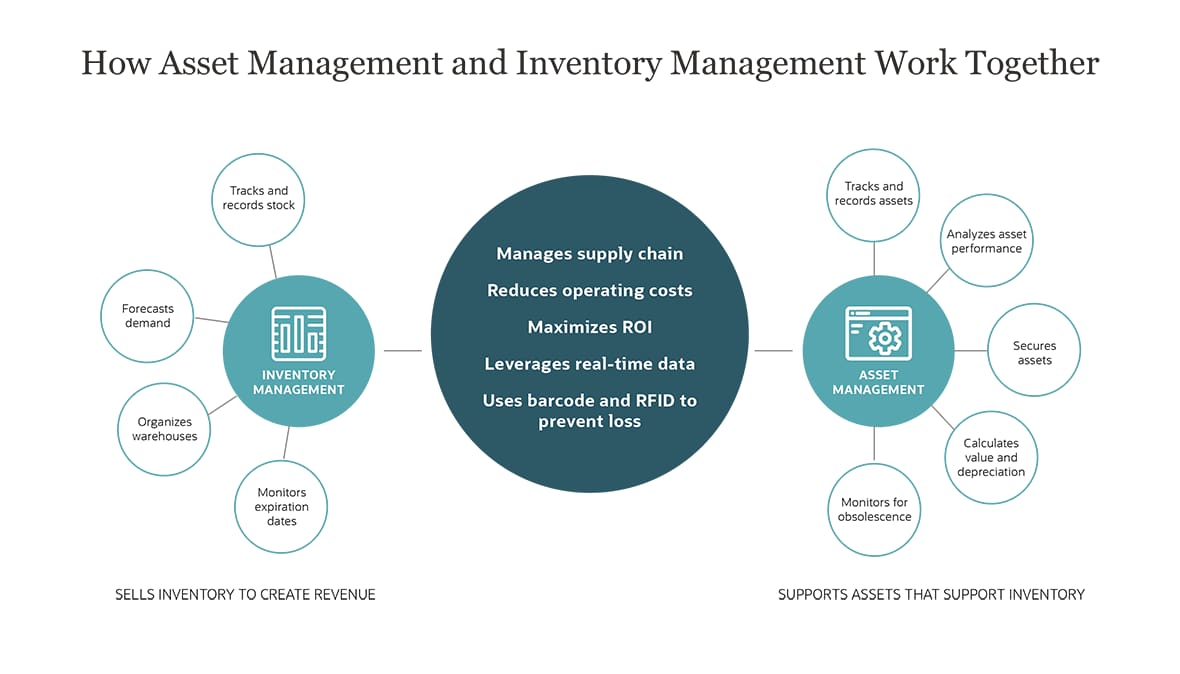
This approach calculates value based on tangible assets such as:
-
Equipment
-
Inventory
-
Furniture and fixtures
-
Real estate (if owned)
Then subtracts liabilities.
Best for: Asset-heavy franchises or struggling locations with limited profitability.
Step-by-Step: How to Value a Franchise
Here’s a practical framework you (or your advisor) can follow:
Step 1: Gather Financial Documents
Collect at least 2–3 years of:
-
Profit & Loss statements
-
Balance sheets
-
Tax returns
-
Sales reports
If buying new, request the Franchise Disclosure Document (FDD) and Item 19 earnings claims.
Step 2: Normalize Earnings
Remove one-time expenses or owner perks (like personal vehicles or excessive salaries) to find true operating profit.
This gives you Seller’s Discretionary Earnings (SDE) or EBITDA.
Step 3: Apply Industry Multiples
Multiply earnings by typical franchise multiples (often between 2x–4x for small franchises).
Example: $120,000 annual profit × 3 = $360,000 estimated value
Step 4: Adjust for Franchise-Specific Factors
Increase or decrease value based on:
-
Brand reputation
-
Territory exclusivity
-
Local competition
-
Lease terms
-
Staff stability
-
Growth opportunities
Step 5: Factor in Franchise Fees & Royalties
Ongoing royalties and marketing fees reduce net profit — and therefore reduce valuation.
Never ignore these.
Step 6: Consider Risk
Higher risk = lower valuation.
Risk factors include:
-
New or unproven brands
-
High employee turnover
-
Declining industry trends
-
Heavy owner dependence
Key Factors That Influence Franchise Value
Every franchise is unique, but these consistently move valuations up or down:
Location quality
Historical performance
Brand strength
Management systems
Profit margins
Scalability
Legal or compliance issues
Strong systems + steady profits + growth potential = higher valuation.
Common Franchise Valuation Mistakes
Avoid these costly errors:
❌ Valuing based only on revenue
❌ Ignoring royalty fees
❌ Assuming past performance guarantees future results
❌ Skipping professional review
❌ Falling in love with the brand instead of the numbers
Remember: emotion doesn’t pay back loans — cash flow does.
Should You Hire a Professional?
If you’re investing serious capital, absolutely.
A franchise consultant, CPA, or valuation expert can:
-
Validate assumptions
-
Identify hidden risks
-
Provide objective pricing
-
Strengthen negotiations
It’s a small cost compared to a bad investment.
Final Thoughts
Franchise valuation isn’t just a financial exercise — it’s a decision-making tool.
Done correctly, it protects your capital, clarifies expectations, and positions you for long-term success.
Whether you’re buying your first franchise or planning your exit, understanding valuation gives you a powerful advantage.